the day is almost planned out.
Check the Schedule tab for more information!
 Official NeurIPS page
Human Identity, Authenticity, and Agency in the Age of AI
AI and the Self brings together technical, empirical, social, cultural, and philosophical work on how AI systems mediate identity, agency, self-understanding, dependence, and human flourishing.
Check the Schedule tab for more information!
Accepted Papers are now visible on our OpenReview. Visit the NeurIPS event page for links.
AI systems are no longer only external tools. They are increasingly becoming interlocutors, cognitive extensions, mirrors, collaborators, and social actors that shape how people think, decide, remember, and understand themselves.
This workshop asks how AI systems construct, extend, support, or destabilize the self, and what kinds of computational, empirical, and interdisciplinary methods are needed to study those effects rigorously.
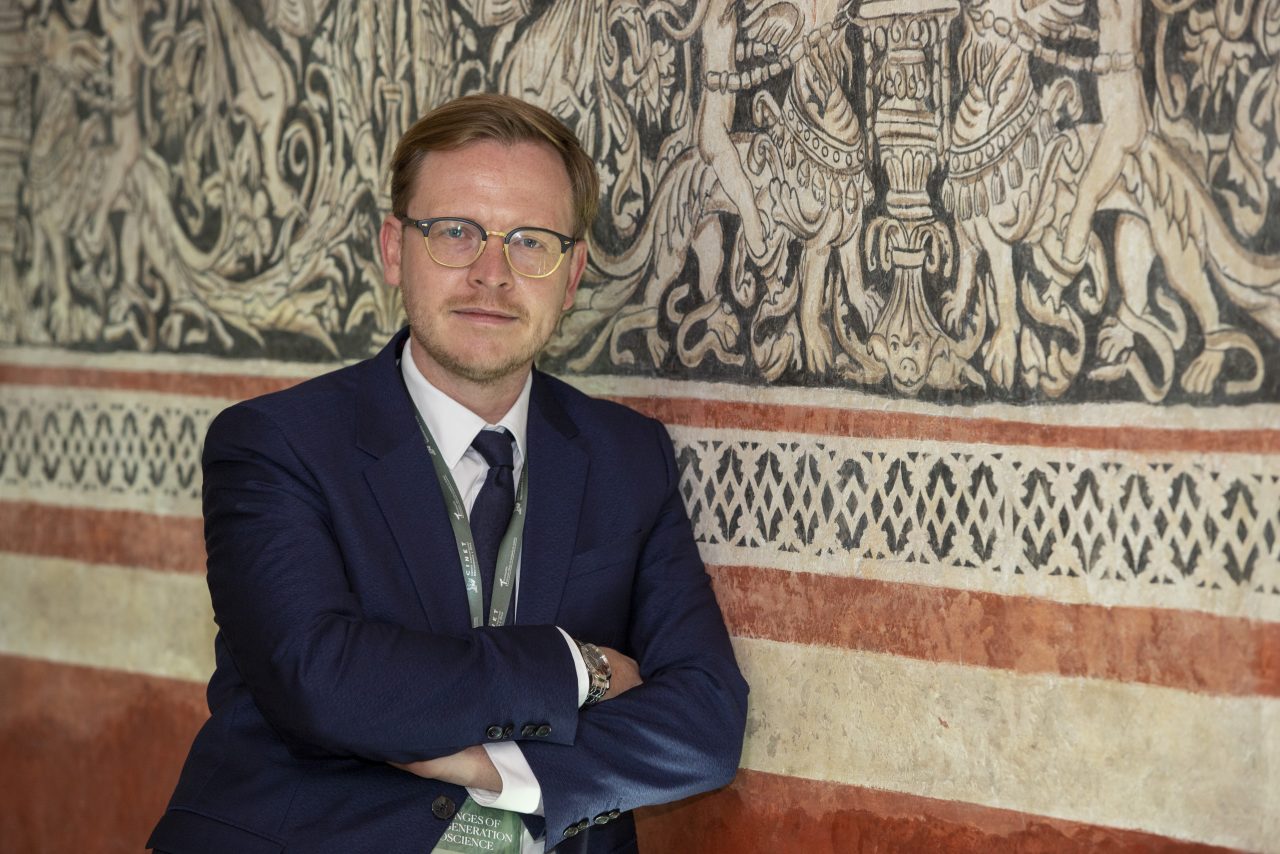
University of Bonn
Professor at the University of Bonn and director of the Center for Science and Thought, working on philosophy of mind, selfhood, agency, and ethical questions around AI.
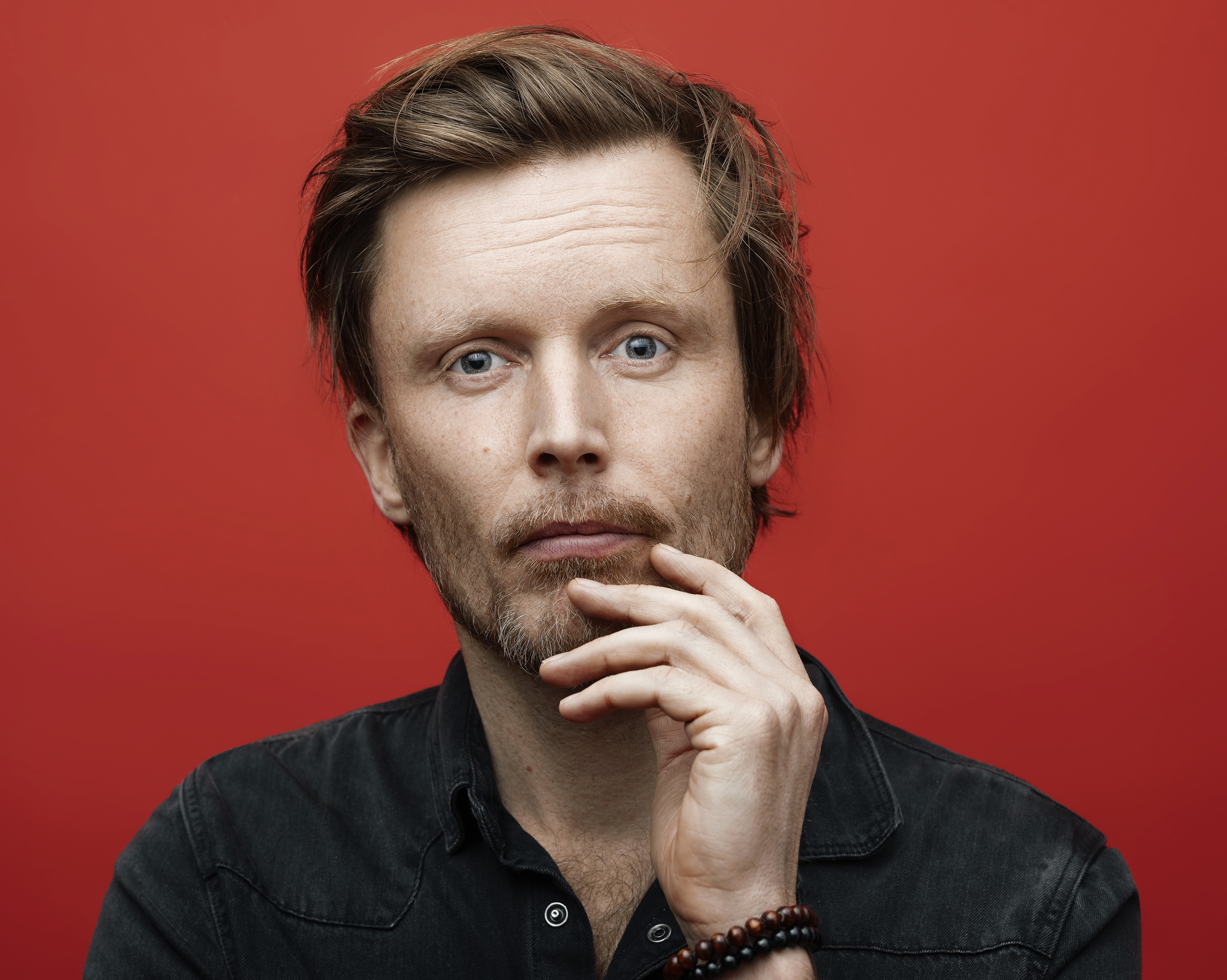
University of Copenhagen
Professor of Computer Science at the University of Copenhagen. He is a member of the Royal Danish Academy of Sciences and Letters and has published more than 350 scientific papers and eight books. He was awarded an ERC Starting Grant, a Google Focused Research Award, and a Carlsberg Semper Ardens Advance.

Georgia Tech
Professor at the School of Interactive Computing, Georgia Tech, working in computational social science on reasoning about personal and societal well-being from social digital footprints.
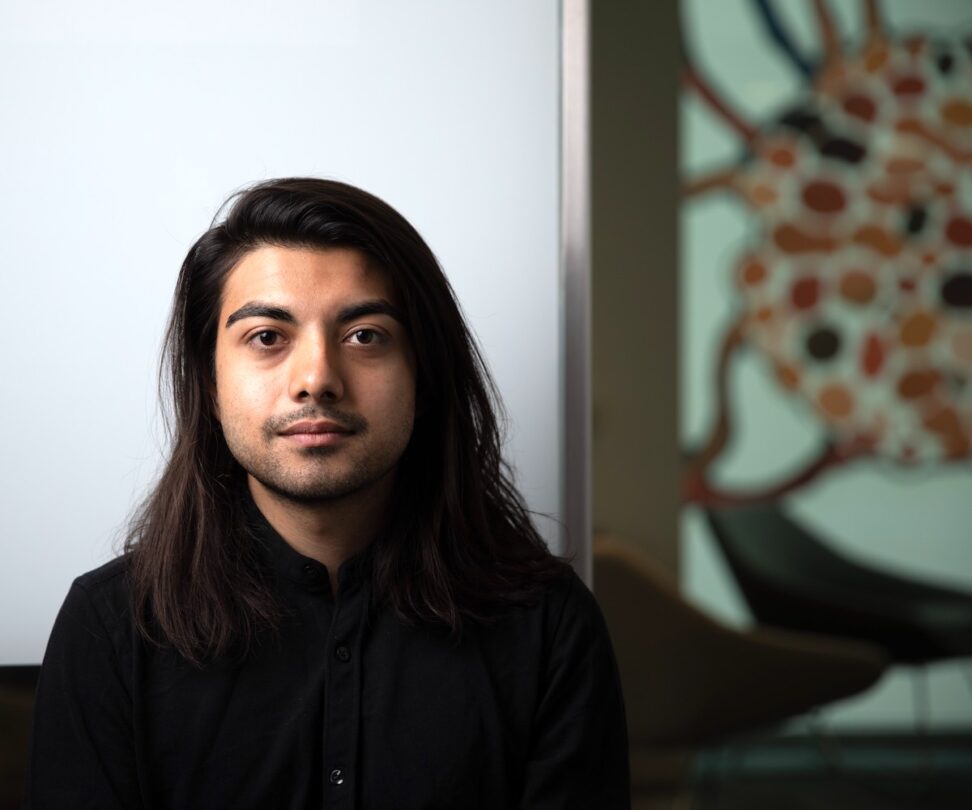
Microsoft Research · University of Cambridge
Researcher at Microsoft and affiliated lecturer at Cambridge, studying human–AI interaction and how generative AI affects cognition, critical thinking, and knowledge work.
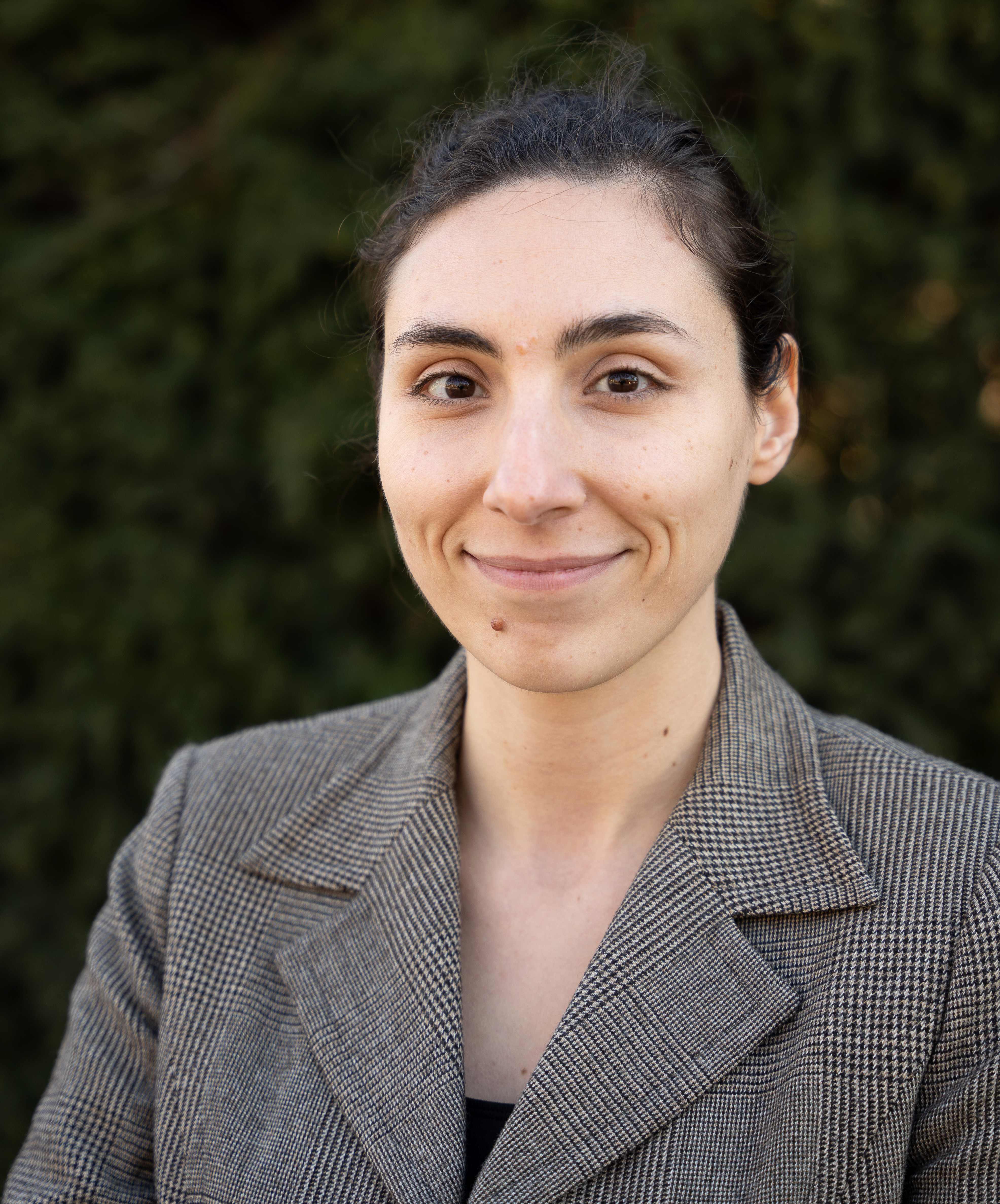
Max Planck Institute for Software Systems
Faculty member at the Max Planck Institute for Software Systems, where she leads the Bridging AI and Neuroscience (BrAIN) group. Her research bridges natural language processing, machine learning, and cognitive neuroscience to develop computational models that deepen our understanding of how the brain processes language and guide the creation of more human-aligned AI systems. Her pioneering work at this intersection has been recognized and supported by the U.S. National Science Foundation (NSF), the German Research Foundation (DFG), and the European Research Council through an ERC Starting Grant.